Many involve a combination of group psychotherapy (talk therapy) and medications. These symptoms must greatly affect and cause you not to do well in school, work, or relationships. This article will use the terms “male,” “female,” or both to refer to sex assigned at birth.
Alcohol Intolerance
If you’re a heavy coffee drinker, gradually reducing your caffeine intake can help your body adjust and reduce the severity of caffeine-induced sweating. The process is closely tied to the activation of the sympathetic nervous system, which governs many involuntary bodily functions, including the sweat glands. Drinking water, especially a significant volume, can rapidly increase sympathetic nerve activity. This nerve activation is the signal that prompts the sweat glands to begin producing moisture on the skin’s surface. Stay hydrated, limit alcohol intake, avoid heavy meals before drinking, and ensure your sleeping environment is cool to minimize sweating. As it metabolizes alcohol, it generates heat, which can temporarily increase body temperature.
- The symptoms of alcohol withdrawal vary and may or may not include night sweats.
- And let’s not forget about other potential causes – menopause, fever or underlying medical conditions that can also lead to this uncomfortable symptom.
- This reflex diverts blood flow away from the skin surface in the stomach and throat, which can momentarily inhibit a generalized sweating response.
- The answers to the questions below may also be helpful if you’re looking for information about night sweats after drinking.
- By understanding the science behind caffeine’s effects on the body, we can better appreciate why coffee makes us sweat.
What are the main causes of alcohol sweats?
Factors like genetics, metabolism, and overall health influence how alcohol affects sweating, with some people experiencing it more than others. A hangover is a group of unpleasant symptoms that can happen after drinking too much alcohol. As if feeling awful weren’t bad enough, frequent hangovers also are linked with poor performance and conflict at home, school and work. In addition to water, you can also include hydrating foods in your diet, such as fruits and vegetables with high water content. These can contribute to your overall hydration levels and support your body in why does alcohol make you warm maintaining a proper fluid balance. Ensuring proper hydration involves drinking enough water throughout the day.
- Most of the alcohol you consume is broken down into byproducts through metabolism within your body.
- Beyond the apparent manifestation of sweating, night sweats may accompany additional symptoms, contributing to discomfort.
- Rest is also important, as alcohol severely disrupts sleep quality, making a return to normal sleep patterns and avoiding strenuous activity beneficial.
- These effects can have far-reaching consequences on your overall health and well-being.
- However, sweating excessively or experiencing night sweats after alcohol consumption is known as a severe symptom alongside other severe symptoms such as Delirium Tremens (DT).
- It’s essential to be aware of the potential risks of hypothermia or dehydration, especially in different weather conditions, as night sweats can lead to increased fluid loss.
Alcohol intolerance and night sweats
Alcohol consumption can lead to an increase in body temperature, resulting in sweating. This is due to the impact of alcohol on the nervous system and how the body regulates temperature, blood pressure, and heart activity. The widening of blood vessels in the skin, known as vasodilation, triggers perspiration. Additionally, the metabolism of alcohol produces heat, further contributing to the sensation of warmth. While sweating is typically harmless, excessive sweating or night sweats accompanied by other symptoms may indicate alcohol withdrawal or intolerance, requiring medical attention. Alcohol consumption can lead to night sweats due to its profound impact on hormonal balance, which in turn affects the activity of sweat glands.
- Delirium tremens (DT) is the most severe form of alcohol withdrawal and can be life-threatening.
- Consider setting limits on the number of drinks consumed per day or per week.
- Withdrawal symptoms can begin as soon as a few hours after your last drink or within several days.
- Your body needs to eliminate the harmful substances that have accumulated due to excessive alcohol consumption.
If you are looking for rehab to take your, or a loved ones, life back from addiction, look no further than Providence Projects. Reach out to us today to find out how we can help you or a loved one achieve long-term recovery. Light movement can be okay if you’re feeling up to it, but intense workouts aren’t the answer. Withdrawal symptoms can begin as soon as a few hours after your last drink or within several days. Having night sweats or making yourself perspire won’t expel alcohol from your system any faster.
Alcohol metabolism Alcohol Use Disorder in the liver also generates heat, elevating body temperature. Alcohol is processed through enzymatic reactions, converting it into byproducts. This exothermic process releases heat, directly raising the body’s internal temperature. As core temperature climbs, the body’s thermoregulatory system increases sweat production to dissipate excess heat and maintain a stable internal environment.
It can also decrease the production of the hormone vasopressin, which regulates our body’s fluid balance, leading to dehydration and increased thirst. Night sweats are episodes of excessive sweating that occur during sleep, often leading to damp or soaked sheets and clothing. While occasional night sweats are normal, persistent night sweats can be a symptom of an underlying medical condition or lifestyle factor, such as sweating at night after drinking. Because alcohol increases blood flow and often causes sensations of overheating or excessive perspiration, heavy drinking is especially risky in cold weather. While alcohol makes us feel warmer, it also inhibits our biological functions that actually help raise body temperature, such as shivering and respiratory rate. Moreover, alcohol impairs cognitive function, so someone under the influence may not recognize the risks of cold weather.
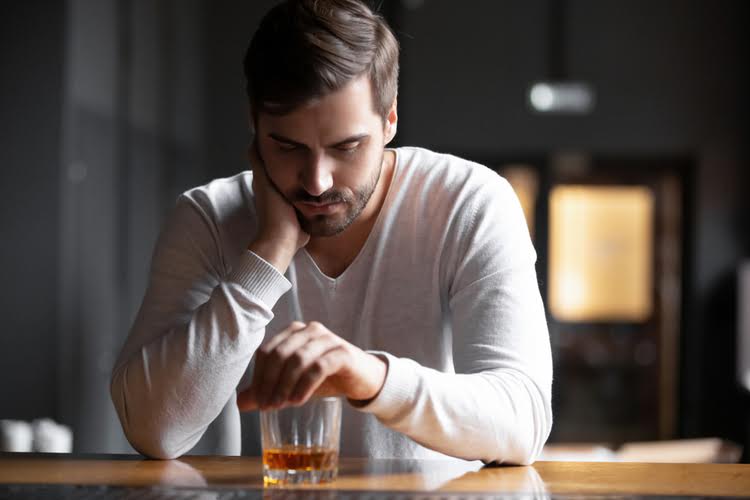
If you drink more than the recommended limits and are experiencing negative consequences, you may struggle with alcohol addiction. Alcohol addiction and alcoholism are closely related but have some distinct differences. Beyond the apparent manifestation of sweating, night sweats may accompany additional symptoms, contributing to discomfort. Understanding the various factors contributing to night sweats is key in determining the appropriate action for effectively addressing https://ecosoberhouse.com/ this symptom.
Body temperature, however, dropped 20 minutes after the sweating began. You can also get in touch with Priory, a leading private provider of treatment for alcohol addiction. Our treatments include a medically-assisted alcohol detox, which can help deal with harmful withdrawal symptoms in a safe, secure environment. For many, this precedes a stay in one of our leading rehab centres located across the UK. Introducing the intense heat of a sauna to an alcohol-compromised body creates specific health risks. The most immediate concern is the severe exacerbation of dehydration.
In addition to sweating, alcohol intolerance can cause other unpleasant symptoms. These may include nausea, vomiting, low blood pressure, and an increased risk of dehydration due to increased urination. As such, it is important to stay hydrated by drinking plenty of water. Some individuals may experience excessive sweating, while others may have milder symptoms. However, it is important to note that even mild sweating can be a sign of alcohol intolerance and may warrant a conversation with a doctor.
Alcohol interferes with the hypothalamus’s ability to regulate temperature accurately. When dehydrated, the body struggles to maintain homeostasis, and the hypothalamus may overcompensate by signaling sweat glands to produce more sweat. This miscommunication between the brain and the body’s cooling system can result in night sweats, even if the external environment is cool. Dehydration, a common side effect of alcohol consumption, further exacerbates temperature regulation issues. Alcohol is a diuretic, meaning it increases urine production and fluid loss. When the body is dehydrated, it becomes less efficient at sweating, which is essential for cooling.
Table of Contents
The amount and type of alcohol consumed play a crucial role in determining the likelihood and intensity of night sweats. Generally, the more alcohol consumed, the higher the chance of experiencing night sweats. This is because larger quantities of alcohol put more stress on the body’s metabolic processes and temperature regulation systems.